Why asphalt cracks need filling
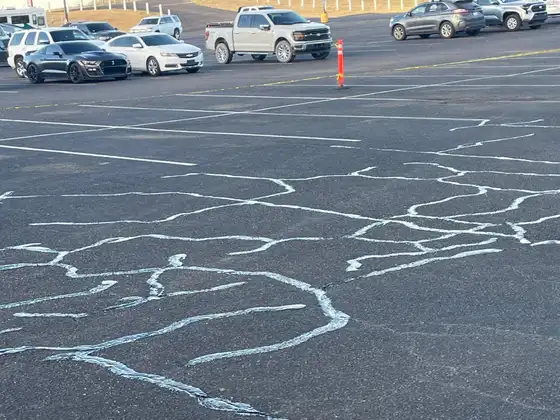
The real damage from a crack happens underneath, once water reaches the base. Every rain pushes water down through open cracks into the crushed stone and soil that hold the pavement up. A wet base loses its strength, traffic flexes the asphalt over it, and the crack branches out into a web. Then the web breaks loose into a pothole.
In much of Mississippi the soil under the base is clay that swells when wet and shrinks when dry. Water getting through a crack speeds that movement up, and the pavement moves with it. Sealing cracks while they are thin is the cheapest way to stop that cycle before it starts.
Crack filling vs. sealcoating vs. repair
These three get mixed up, and buying the wrong one wastes money.
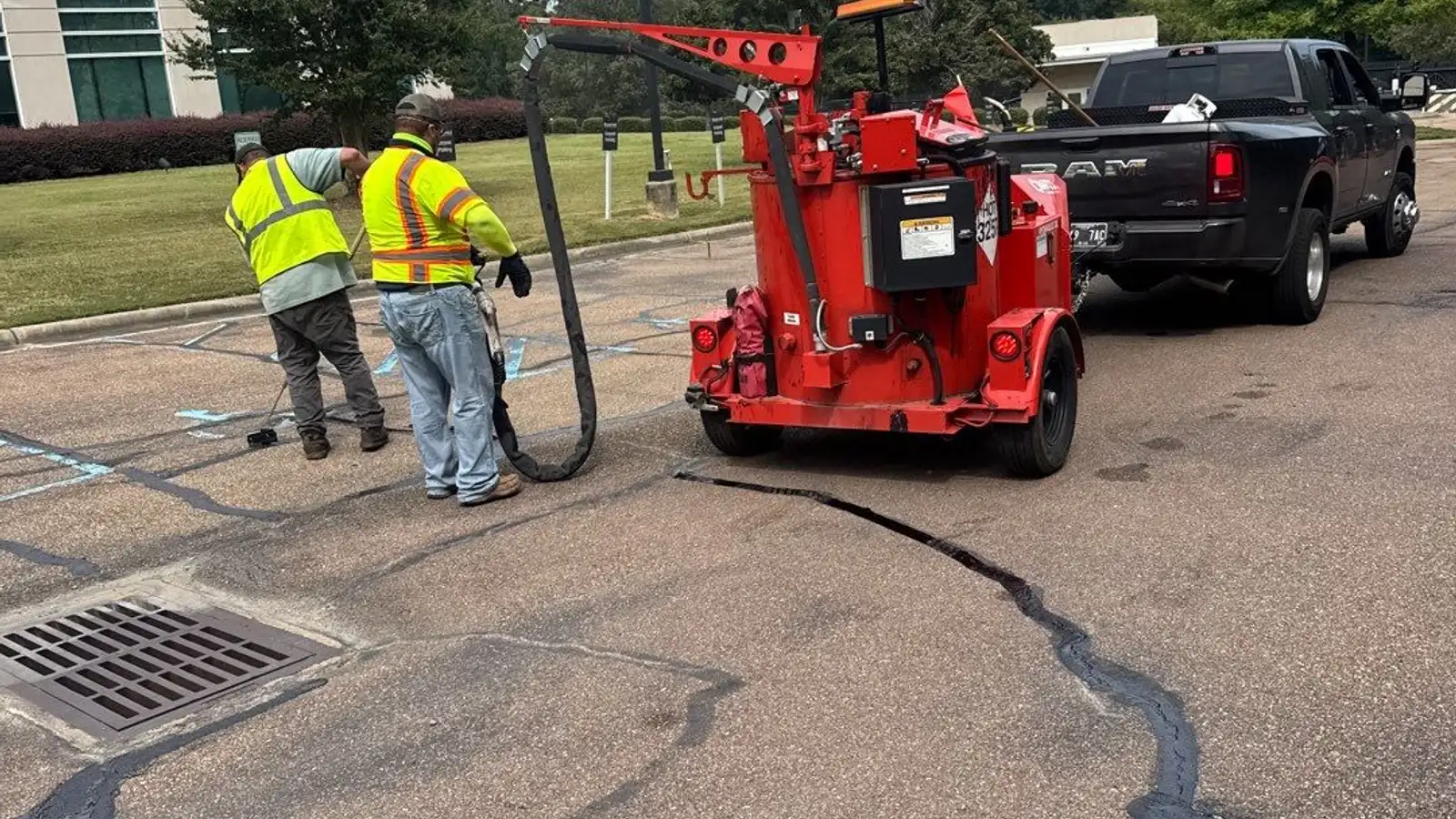
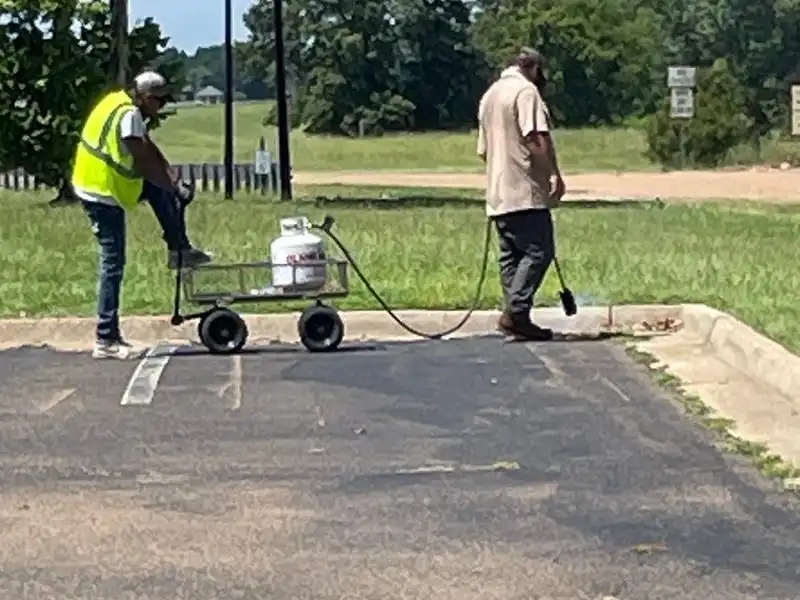
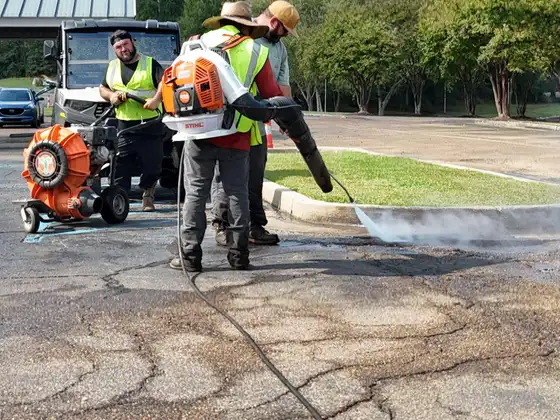
Crack filling seals individual cracks so water stays out of the base. It works on pavement that is still solid around the cracks.
Sealcoating is a protective coat over the whole surface. It shields sound asphalt from sun, water, and oil, but it will not close a crack or fix a soft spot.
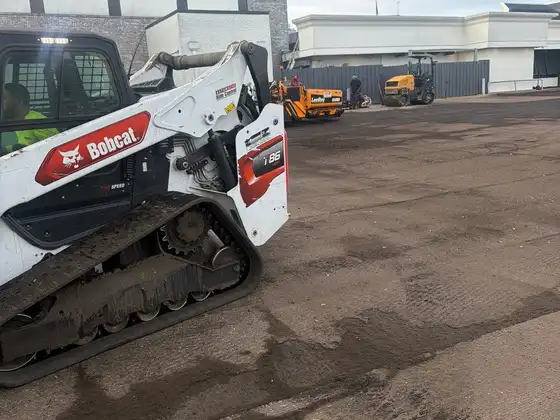
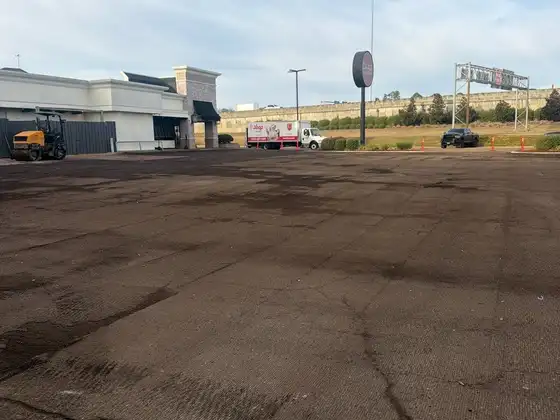
Repair is for areas that have already failed: potholes, sunken patches, spiderweb cracking. The bad asphalt gets cut out, the base gets fixed, and new asphalt goes in. See parking lot repair or driveway repair.
On most visits it is a mix: repair the failed spots, fill the cracks, then sealcoat. We will tell you which parts your pavement needs.
Which asphalt cracks can be filled
Good candidates for crack filling:
- Long single cracks running across or along the pavement
- Cracks along the edge where asphalt meets a concrete slab, curb, or garage
- Seams where an old patch or a newer section meets the original pavement
- Thin cracks that have opened since the last sealcoat
Cracks that need more than filler:
- Spiderweb or scale-pattern cracking, which points to a failed base
- Cracks with sunken or raised pavement on either side
- Cracks with loose chunks of asphalt breaking out of them
If we see the second kind, we mark those areas for repair and fill the rest. You get both on one written quote so you can decide what to do now.
Crack filling for driveways
Driveway cracks tend to show up in the same places: where the asphalt meets the garage slab or the street, along the edges, and over any spot where the ground settled. Filling them keeps water out from under the slab of asphalt you park on every day, and it keeps the edges from crumbling into the yard.
The best time to fill is right before a sealcoat, so the surface is sealed edge to edge in one visit. Wait 6 to 12 months after a new driveway goes in before its first sealcoat, then keep it on a 1 to 2 year cycle. If your driveway has sunken spots or broken sections, that is a driveway repair job, and we can handle both.
A parking lot maintenance schedule that holds up
A lot that gets a little attention on a regular cycle outlasts one that only gets attention when something breaks. Here is the schedule we set up for commercial clients:
- New asphalt: let it cure 6 to 12 months before the first sealcoat
- Every 1 to 2 years: fill cracks, then apply two coats of sealcoat
- After every sealcoat: restripe, since the coating covers the old lines
- In between: fill new cracks as they open and fix failed spots before they spread
With maintenance like this, asphalt can last 20 to 30 years. Skip it, and small cracks become repair bills.
We can put your lot on a recurring plan so you know what is coming each year and what it will involve before it is due.
Scheduling lot maintenance around your business
Crack filling and sealcoating need dry pavement, so we schedule around the forecast and move the date if rain is coming. Sealcoat needs 24 to 48 hours to dry before traffic, which is the part that takes planning on a busy lot.
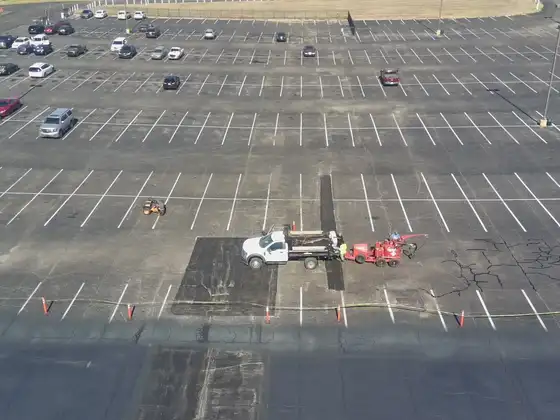
We split larger lots into sections so part of your parking stays open while the rest dries, then switch. Striping paint dries in about 30 minutes once the sealcoat is ready for it. For some projects, striping can be done at night or on a weekend. Tell us your hours, your busiest days, and any events, and we will build the sequence around them.
What affects the cost of crack filling and maintenance
The main factors are how many feet of cracks there are, how wide and dirty they are, and whether sealcoating and restriping are being done on the same visit. Lot size and how many sections we need to work in also play in.
Sealcoating and striping are usually quoted from photos and details you send us. If the photos show sunken areas or spiderweb cracking, we come out and look before pricing, since that is repair work. Every quote is free, written, itemized, and comes with no hidden fees.